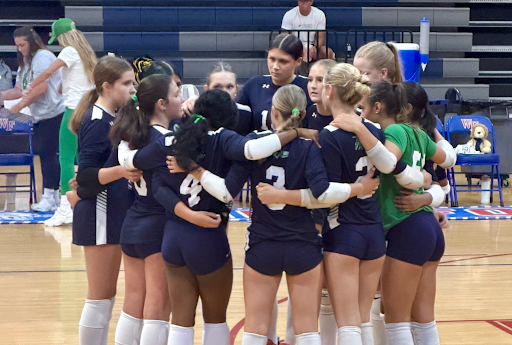
Physical Health
Youth Sports are an excellent source of exercise for children and adolescents, and they educate athletes about the importance of exercise. By establishing proper physical activity early in life, exercise habits are more likely to continue throughout adulthood–lowering obesity rates.
Youth sports positively affect the physical health and well being of children and teenagers during development and in the future. Youth sports are proven to do the following:
- Improve the development of muscles, tendons, ligaments, and bones
- Decrease the risk of future illnesses such as diabetes, stroke, heart disease, and cancer
- Lessen the likelihood of drug abuse
- Increase sleep time and quality
- Improve hand-eye coordination, fine motor skills, strength, and endurance
Other than the physical benefits of youth sports, young athletes build life long wellness routines that help them maintain a healthy physique throughout adulthood. Young athletes learn about proper hydration and nutrition, which teaches them how to take care of their personal health.
Academic Output
Contrary to popular belief, there is a strong positive correlation between academic success and participation in youth sports. Statistically student athletes maintain a higher grade point average than non athletes. Student athletes don’t only have higher GPAs than other students, but achieve scores up to 40% higher on standardized tests than non-student athletes.
Participating in high school athletic programs increases the likelihood of students attending college and receiving scholarships. Student athletes are less likely to drop out of high school because of their athletic commitments that make them feel more obligated to stay in school.
Negative Effects on Mental Health
Participation in youth sports can result in many serious mental health issues. Even though not all young athletes experience these negative effects, it doesn’t mean they are not an impediment.
Stress and anxiety are rather common negative effects of sports on the youth. Stress and anxiety can be rooted from the fear of letting down teammates or spectators. Stress can also come from the pressure to win or being overwhelmed by practice interfering with their lives.
Depression in sports is an experience that is commonly associated with athletes who have experienced a serious injury or those that experience several instances of disappointing performances.
Eating disorders are also a possible mental and physical health risk, more often for adolescents in sports. Eating disorders in sports caused by the pressure to maintain a certain body image in their sport. Eating disorders frequently occur in sports that are judged by aesthetic, organized by weight class, and sports where having low body fat is viewed as a major advantage.
Positive Effects on Mental Health
Sports can chemically act as a form of relief of moderate stress in most athletes. When humans exercise the brain releases neurotransmitters that play different roles in stress relief.
During exercise the brain releases endorphins–a chemical that decreases pain and stress by binding to opiate receptors in the central nervous system–and serotonin, a hormone that regulates mood. Over time these neurotransmitters help to lower stress hormones, improving the body’s ability to regulate stress.
Sports also help to clear the minds of young athletes from their worries by leaving them focused on the task at hand.
Sports require athletes to set reasonable goals that when accomplished can improve confidence and self-esteem, because players believe that they are getting better at overcoming challenges.
The Social and Personal Benefits of Sports
Team sports educate athletes about multiple different social skills and leadership traits, which are helpful skills that can be used outside of athletics. Social skills are important in all aspects of life, but they contribute a major growth to the communication skills of the youth.
Team sports benefit young athletes’ social skills because it allows them to practice their communication, active listening, and problem solving skills. Children also have to rely on and make connections with their teammates to be a more successful team.
Within sports, children and teenagers learn to have respect for rules, authority, and other athletes. During sports, children have to follow rules that are enforced by judges and referees. Children learn respect and learn how to be responsible for their actions.
Sports encourage athletes to apply constructive criticism to their skills to strive for improvement. Young athletes are also encouraged to provide constructive criticism to their peers, which can be difficult when players are frustrated, but builds communication skills
For children and teens, sports can help to develop their time management skills because they are forced to juggle their athletic, academic, and social lives.
Sports build leadership in young athletes by challenging them to make decisions that will affect their team. Players can also receive leadership roles like Team Captain, where they are in charge of guiding and motivating their team towards success.

Leave a Reply