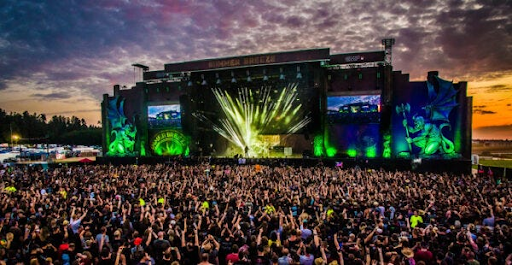
For many music fans, going to a concert used to be simple. You waited for tickets to go on sale, logged on at the right time, and purchased your ticket. Now, buying concert tickets feels more like entering a war zone. Over the past few years, Ticketmaster has become the center of controversy as fans struggle with extreme prices, confusing presales, long virtual lines, and a process that seems designed to make things harder instead of easier.
If you have ever tried to get tickets for concerts, sports events, or even theater shows, surely you have come across Ticketmaster. Ticketmaster was founded in 1976 in Phoenix, Arizona, by Albert Leffler, Peter Gadwa, and Gordon Gunn III, starting as a computerized ticketing system for events, and launching its first ticketed concert in 1977. It has grown exponentially and now is the main source of getting tickets to many different events.
One of the biggest issues fans complain about is the extreme ticket prices. Tickets that once cost $50 or $60 are now several hundreds, even thousands, of dollars, even for seats far from the stage. Part of this is due to Ticketmaster’s use of “dynamic pricing,” which means prices increase based on demand. If many people want tickets, the price can jump dramatically in real time. While Ticketmaster claims this helps artists earn more, many fans feel cheated out of seeing their favorite performers. Concerts are supposed to be fun and accessible, but for many students and families, the cost is simply unrealistic.
On top of high base prices, there are also extra fees that often catch customers off guard. Service fees, processing fees, and facility charges can add a large amount to the final cost. A ticket that looks expensive but still something you’re willing to purchase at first can suddenly become much more expensive once you reach checkout. These fees make fans feel tricked and frustrated, especially when they are already spending a lot of money.
“For the Harry Styles tour for 2026, I finally got into the room to get tickets, and I was shocked. I looked at the cost of seats on the lower bowl, and they all ranged from $700 to over $1000. It was insane. And even for tickets farther back from that were still several hundreds. I have never seen a Ticketmaster list such expensive prices on tickets,” said Sydney Champion, junior. “And then once I went to checkout, I had $300 added to the cost of my tickets, just in fees.”
Another major problem is the difficult buying process. Ticketmaster often uses virtual waiting rooms and queues that can last hours. Fans log in early, refresh constantly, and hope they don’t get kicked out or lose their spot. Sometimes, after waiting for a long time, tickets are suddenly “unavailable,” forcing users to start over or give up entirely. This stressful experience has made ticket buying feel less exciting and more exhausting.
The presale system has also added to the chaos. Presales are supposed to reward loyal fans, credit card holders, or members of fan clubs by giving them early access to tickets. However, there are now so many different presales, artist presales, verified fan presales, credit card presales, venue presales, that it can be overwhelming to keep track of them all. Fans often need special codes, emails, or accounts just to participate, and even then, it isn’t guaranteed you even get a code. This leaves many people feeling disappointed and misled.
Eva Stikeleather, junior, said, “For the Taylor Swift concert, somehow I was lucky enough to get a presale code because many people didn’t. I logged onto multiple devices and tried for many different dates. In one of the queues, there were 400,000 people ahead of me and for another one there was 560,000. It was insane. It made getting a ticket nearly impossible.”
The resale market is another part of the problem. When tickets sell out quickly, they often reappear on resale sites for double or triple the original price. Tickets that could have been sold originally for a few hundred can now be listed for several thousand, scamming people and upsetting fans.
Some artists have tried to battle the insane reselling prices. For example, Noah Kahan has addressed high ticket prices for his 2026 tour by utilizing Ticketmaster’s Face Value Exchange, which restricts resale to the original price, and by making tickets non-transferable.
As concerts continue to grow in popularity, many people are wanting a change. Fans want clearer pricing, fewer fees, better protection against bots, and a simpler process overall. Until changes are made, the Ticketmaster wars will continue, and buying concert tickets will remain a battle instead of an exciting celebration.
It makes my day better when I say hi to someone I haven’t seen or talked to in a while.
Leave a Reply