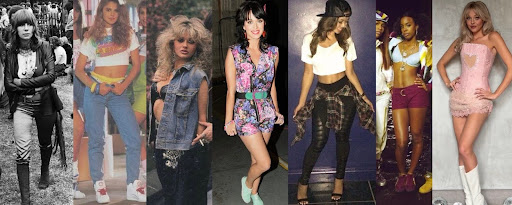
The evolution of concert outfits shows a fascinating interaction between music culture, personal expression, and fashion trends.
In the early days of rock and roll, concertgoers typically donned simple attire such as band T-shirts and jeans. This casual approach mirrored the laid-back vibe of the music itself.
However, as music genres diversified and artists began to embrace more flamboyant styles, fans followed suit, transforming concerts into vibrant fashion showcases.
The 1960s and 1970s marked a significant shift in concert dressing. The counterculture movement — a movement during this time which rejected the norms of society, advocating for individual freedom and peace — brought forth a wave of hippie fashion, characterized by flowing fabrics, tie-dye patterns, and bohemian accessories.
Festivals like Woodstock celebrated this aesthetic, as attendees adorned themselves in outfits that symbolized freedom and rebellion. Iconic bands like The Rolling Stones influenced fans with their evolving styles, moving from polished suits to leather pants and bold prints.
Concertgoers began to emulate the extravagant looks of their favorite musicians, creating a visual dialogue that connected fans and artists.
As the 1980s emerged, so did the rise of pop icons like Madonna and Prince, who further pushed the boundaries of concert fashion. Madonna’s ever-changing image inspired fans to adopt her eclectic style, from cone bras to layered accessories.
The concept of dressing to impress at concerts became more pronounced, as fans sought to showcase their individuality while paying homage to their idols. This era also saw the emergence of glam rock, with artists like David Bowie and bands such as KISS encouraging fans to embrace bold makeup, glitter, and theatrical outfits.
The 1990s brought a new wave of music genres, including grunge and hip-hop, which significantly influenced concert attire.
Grunge bands like Nirvana popularized a more relaxed, anti-fashion aesthetic, with flannel shirts and ripped jeans becoming staples for concertgoers. In contrast, hip-hop artists like Tupac and Notorious B.I.G. introduced streetwear into concert culture, with baggy pants, oversized shirts, and baseball caps becoming the norm.
This decade highlighted the diversity of musical influences on fashion, as fans began to curate their outfits based on the genre they identified with.
Entering the 2000s, the rise of pop stars like Britney Spears and NSYNC saw a resurgence of Y2K fashion at concerts. Fans emulated the playful and sometimes kitschy styles of their favorite artists, showcasing low-rise jeans, crop tops, and colorful accessories.
The importance of merchandise also grew, with fans proudly wearing T-shirts emblazoned with their idols’ names and logos. This era marked a shift towards a more commercialized approach to concert dressing, as the music industry capitalized on the connection between fashion and fandom.
In recent years, the concept of concert dressing has evolved into a dynamic expression of creativity and individuality. Artists like Harry Styles and Taylor Swift have encouraged their fans to go all out with their outfits, often drawing inspiration from their music and personal styles.
Fans will recreate famous stage looks from the singers, rhinestoning things by hand, and even making custom items just for the chance to give them to their favorite artist.
One example of this is Styles’ concerts have seen fans donning flamboyant outfits reminiscent of his own on-stage looks, including bell-bottoms, platform boots, and bold prints.
Swifties have also taken concert dressing to new heights by crafting outfits that represent different eras of Swift’s career, showcasing their dedication and creativity.
Furthermore, last year many people went to see Sabrina Carpenter’s Short N’ Sweet Tour. Many of her fans recreated her famous heart corset dress, many even rhinestoning the entirety of it by hand!
Social media has also played a pivotal role in the evolution of concert outfits. Platforms like TikTok and Instagram have allowed fans to share their concert looks, creating a sense of community and encouraging others to express themselves through fashion.
The excitement surrounding live music post-COVID-19 has further amplified this trend, with fans eager to showcase their outfits as part of the concert experience.
Concert dressing will continue to remain a dynamic and integral part of the concert experience, celebrating not just the music but the artistry of fashion itself.
My best friends make my day better.
Leave a Reply