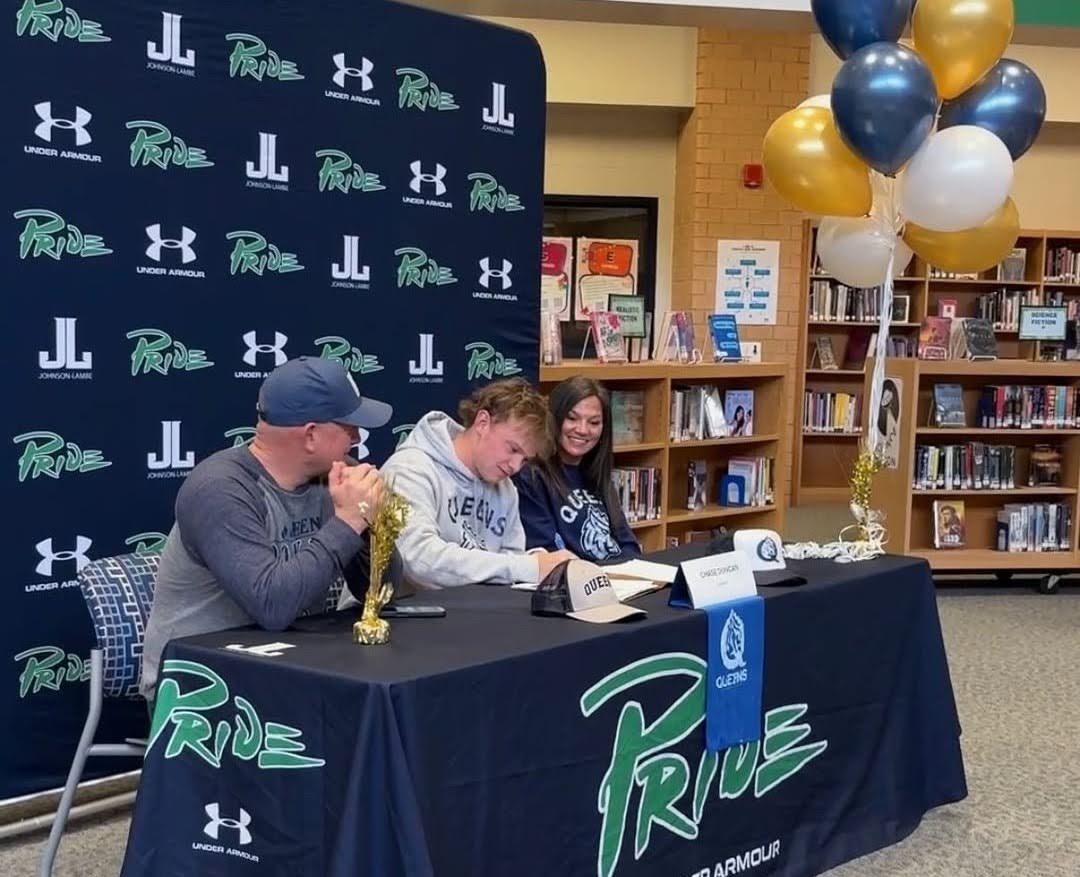
For high school athletes looking to continue their sport in college, the recruitment phase is a long and arduous process they must endure. While difficult, it can yield the best result for young athletes: a chance to play at the collegiate level.
LRHS typically has numerous students commit to colleges for sports every year. While some parts of the college recruiting process remain standard across all student-athletes, they each have their own unique experiences and thoughts as well.
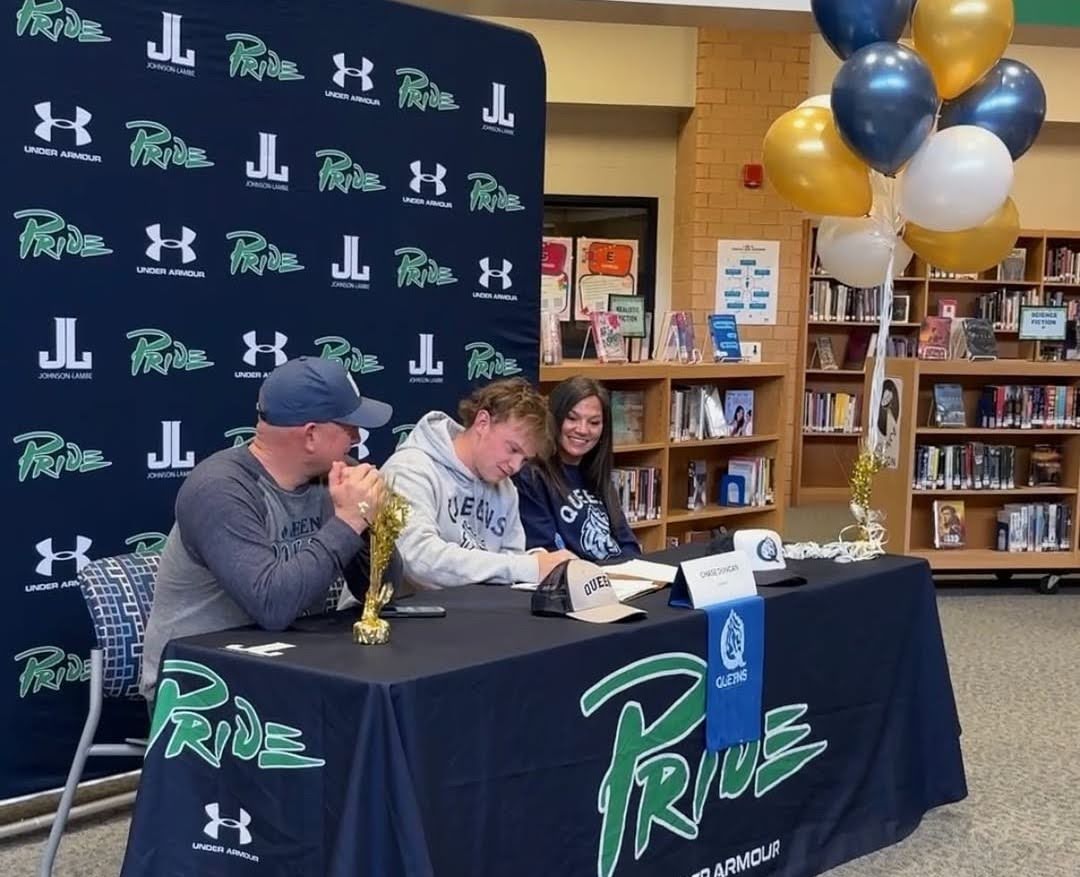
“It’s a rough [process]…everything happens so fast. There’s a lot I wish I knew then that I know now,” said Chase Duncan, senior. Duncan recently committed to play Division 1 golf at Queens University of Charlotte.
“It was honestly so stressful…not many teams were picking up [lacrosse] goalies,” said Coco Storie, senior. Storie is committed to playing Division 1 lacrosse at Campbell University.
The recruitment process starts early in an athlete’s high school career. As early as freshman year, athletes curate sports profiles and post highlights online in an effort to get noticed by schools.
“The recruitment process took about three years. It started my freshman year with sending videos…talking to different programs,” said Alyssa Deberry, senior. Deberry is committed to California Baptist University for Division 1 stunt.
Junior year is when things really kick up. The summer before an athlete’s junior year is when head college coaches can legally open communication, adding to an already difficult time.
However, this “difficulty” is a small price to pay for determined athletes.
“I’m always hungry for competition and couldn’t see myself not running at the next level,” said Sawyer Lisk, senior. Lisk is committed to running D1 track at the United States Military Academy West Point (army division).
“I love cheer…I still wanted to do stunt like I did in high school, just on a professional level,” said Deberry.
“I’ve worked too hard at it, I’ve put in too much time and effort, and my parents have put too much money into it for me to give up, and I just love the game too much,” said Duncan.
“I like being competitive, and in college, [lacrosse] gets more competitive than in high school,” said Storie.
Heading into senior year, high school athletes have to learn how to handle rejections as colleges and universities finalize their sports rosters.
“There was a moment for about a month where I was like ‘Oh my God, am I going to get recruited?’… Sometimes things don’t go your way, and you just have to be ready to react to it,” said Duncan.
“The hardest part I would say was learning to take no for an answer. Not every school is gonna be for you, and that’s ok, so you just have to learn to keep going and find a school that works for you,” said Deberry.
While college recruiting can be trying, it’s a necessary and rewarding process for high school athletes to continue their athletic careers.

It makes my day better when I listen to a good playlist.
Leave a Reply