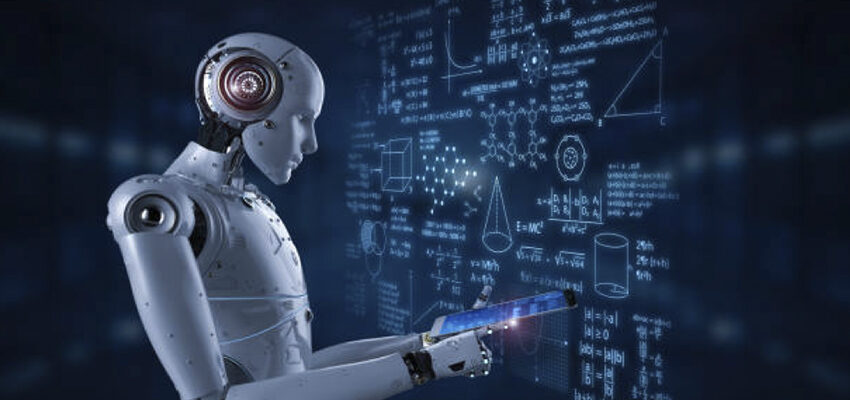
With more and more schoolwork becoming digital assignments, the use of AI and plagiarism tactics is on the rise. Chatbots like ChatGPT and Google Gemini–as well as simply using the copy-and-paste method–make it hard for teachers to tell what is authentic student work, and what has been generated by robots or stolen from the internet.
While there are some exceptions to students turning in artificial work, most of the time, it’s to reduce the amount of time they spend on an assignment.
“[I use AI] on most assignments that take a while for me to complete. I can just use ChatGPT and shorten the time,” said an anonymous senior.
“I don’t feel like doing [homework]…it takes less time [with AI],” said an anonymous junior.
Even though some of the work is still AI’d or plagiarized, students will take the time to humanize their work a little bit.
“If they’re major assignments, I’ll edit them a little bit,” said an anonymous senior.
Interviewed students report they’ll turn in poached assignments anywhere from twice a week to every day.
With the frequency of students using AI or plagiarising their schoolwork, it’s crucial for teachers to develop methods of detecting it. To prove this point, I experimented with one of my own classes.
I turned in an assignment earlier this week that I completely plagiarized from the internet. I took an essay that was posted in 2014, edited a little bit of the words and content, and turned it in. My teacher returned it to me–edited like any other assignment–with no comment on the pirating of the content.
This scenario exemplifies the ease with which students can turn in copied work, and shows why teachers have to hone their AI and plagiarism detection skills.
Most teachers only check for AI and plagiarism on major and minor assignments, opting to leave homework assignments alone. A big tip-off that a student used AI or plagiarized is simply if the work doesn’t sound like them.
“I check when I receive work that doesn’t sound like them. If it doesn’t match the skills that they exhibit in in-class writing, I check it,” said an anonymous teacher.
“We are given information about each student in terms of their reading level, so if a student is using advanced vocabulary, that is a hint that it could be AI,” said an anonymous teacher.
If students are suspected of plagiarizing their work, Google Docs version history is the next place teacher’s head.
“I like to use Google Docs’ history system to check for any potential plagiarism,” said an anonymous teacher. The version history lets teachers see if whole blocks of text were copied into the document, which would indicate falsified work.
“A lot of times I catch students because their copy and paste skills are weak (meaning they forget to make everything in the same format),” said an anonymous teacher.
When it comes to AI, teachers tend to stay away from 3rd party detection sources like GPTZero. Some say they never truly need it, but these sites have been known to give “false-positives”–saying something is AI-generated when it’s really not.
While plagiarism is never tolerated, some teachers are excusing AI use in their classrooms for specific tasks.
“AI has a good place in classrooms these days. It can be a great way to get information quickly and to supplement what students already know. I don’t necessarily have a number or set amount of AI used, but for assignments where the task is not the writing skill itself, I’m more inclined to allow AI use,” said an anonymous teacher.
“If a student wants to use it to find images or create an outline, I don’t mind,” said an anonymous teacher.
Plagiarism has been around for a long time, but AI use is a relatively new tool for students to utilize. While this does turn teachers from educators to investigators, they’ve developed sound methods for telling the false from the real.

It makes my day better when I listen to a good playlist.
Leave a Reply