This December issue I decided I wanted to do something different for my page, I wanted to meet with people from different backgrounds and ethnicities to see where we all unite. I thought, and thought, all I could come back to is the joy of food. Dishes that stem back hundreds, maybe even thousands of years ago. I met with a student who has a background in Italian food, a former student who is Palestinian, an exchange student from Mongolia, a friend who has Puerto Rican roots, and my mom, someone who has taught me almost everything I know about food. Maybe not from a very traditional way, but through her choice of food, food with no animals or animal by-products. A series of personal one-on-one exchanges through a shared medium I’ve yet to explore with those around me. These individual meals weren’t about what was on the plate, (yet there wasn’t one dish I didn’t like) but the vulnerability and trust required to share one’s native or comfort food. The experience, taken as a whole, was an exposure of tastes, though the dishes were wildly different, the intention behind them was identical. Through hospitality and kindness, each meal was prepared with love that had been passed down from parents to grandparents. Lena, who prepared Za’artar Manakeesh, shared how this wasn’t a meal you can go out and buy, yet it was simple and easy to prepare. It’s a dish only made at home, by family for family. I was able to sit down and talk to a student who grew up in a completely different way and become friends with Zula, discussing how, despite being from places thirteen hours apart in time, we both share extremely common interests in the shows we watch and the music we listen to. Being able to bond with Zula and prepare a dish easy enough to make on my own. With Landon, we laughed as he had to improvise or call his mom for missing ingredients. Being able to sit down at the table when he was finished was rewarding for both of us. Jeremy, a friend who I’ve yet to explore the conversation of Puerto Rican food, was able to share his culture and his mother’s food, which he’s proud of. Lastly, my mom, Nikki Kunkel, someone who prepares meals with heart and soul, welcomes all, yet not pressuring into her style of food.
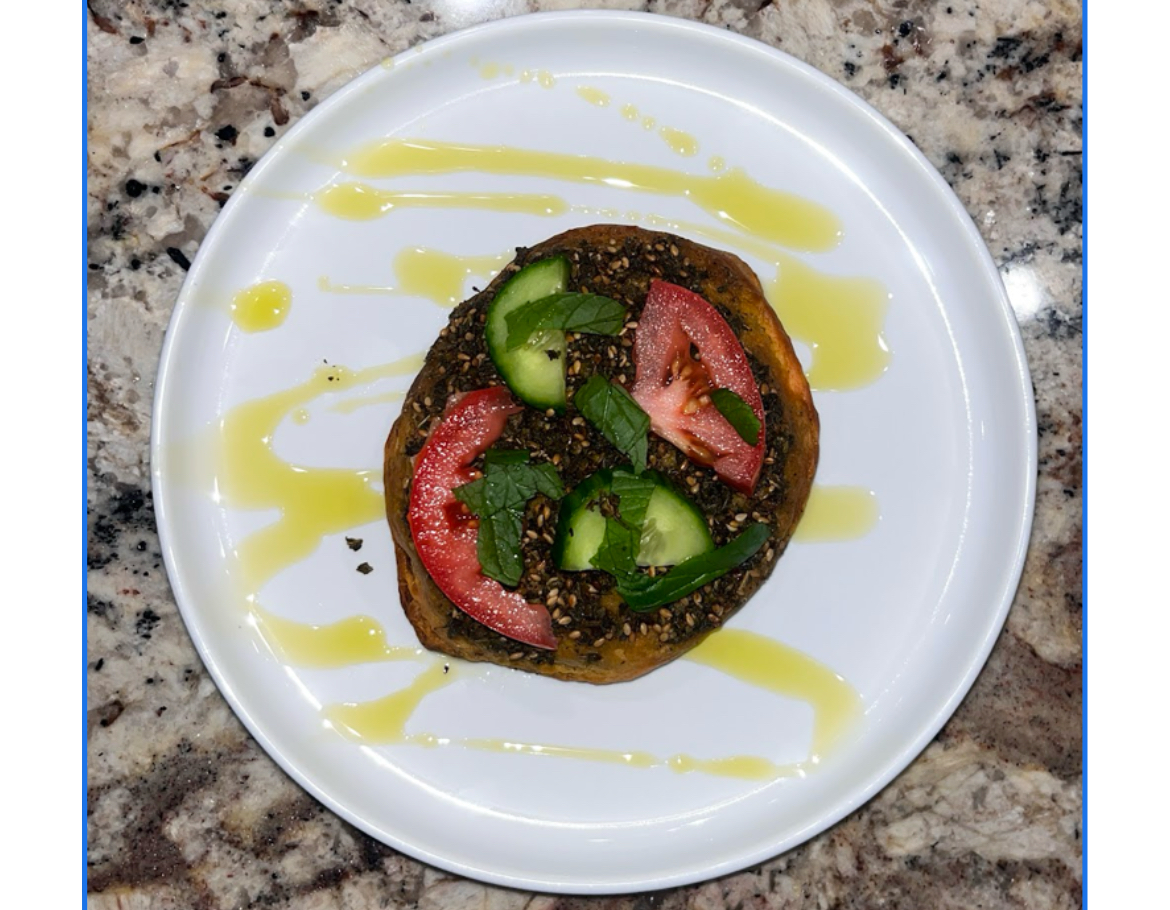
Za’atar manakeesh, a popular food item from the Levant region, is simple to make and important to the culture. It’s essentially a flatbread topped with a mix of olive oil and za’atar, a unique spice blend. This blend usually contains dried thyme, sesame seeds, sumac for a tart flavor, and salt. Manakeesh has historically been a breakfast staple throughout countries like Lebanon, Palestine, Jordan, and Syria. In the past, families would prepare the dough and take it to a shared communal oven for baking, turning the morning meal into a social event. Lena Mohammed shares that this communal meal she used to make with her mom is a nostalgic meal that you can only get made from scratch, “Za’atar is a meal my entire family would wait for to be done, traditionally as breakfast. It reminds me of my loved ones.” This tradition highlights how food in the Levant is deeply intertwined with community and intergenerational bonding. The act of preparing the dough at home and then sharing the baking process at a communal oven transformed a simple breakfast into a weekly ritual that strengthened neighborhood ties.
(Za’atar manakeesh, a popular food item from the Levant region, made by former student Lena Mohammed.)
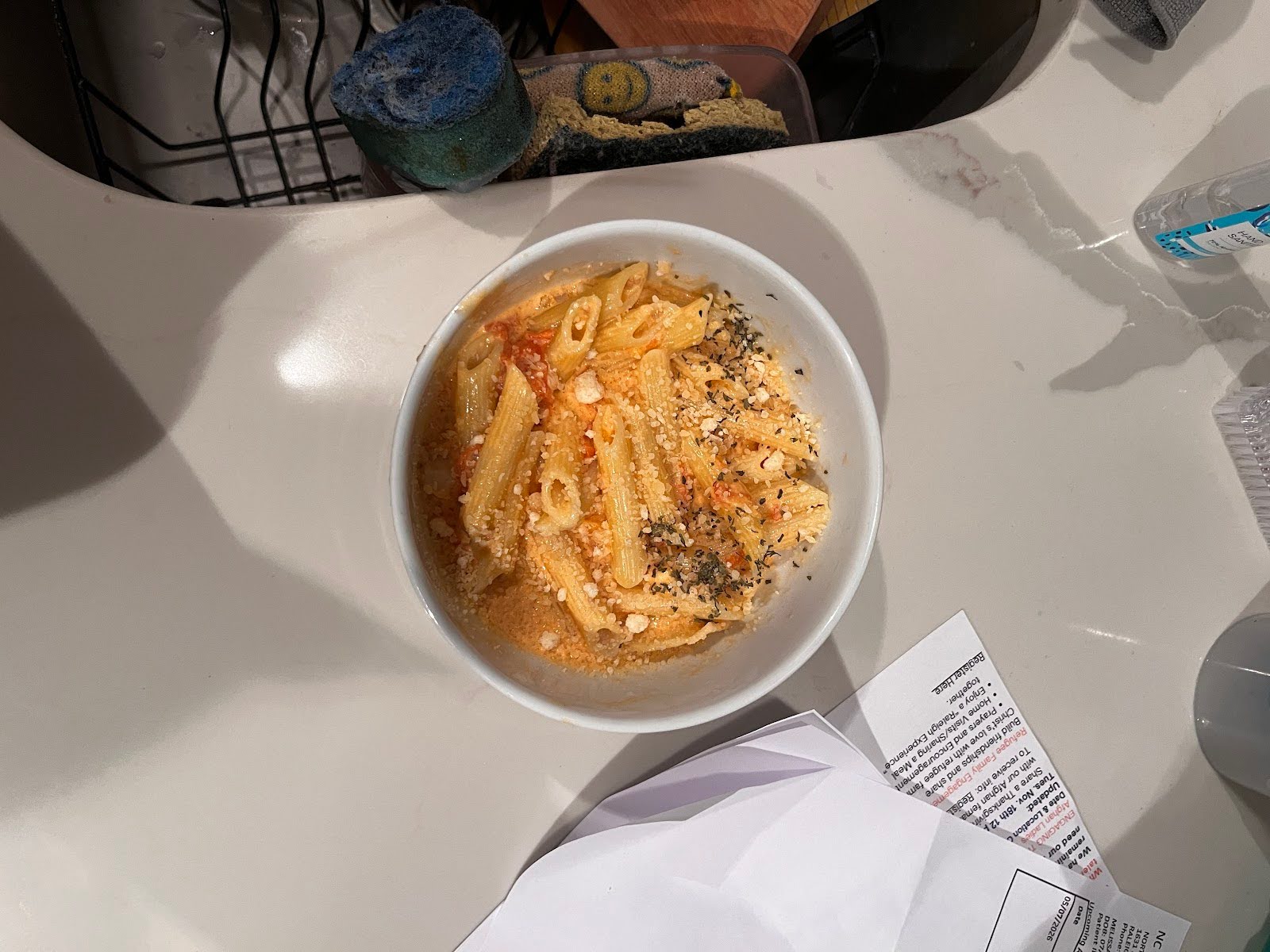
Pasta alla Vodka is a well known Italian dish, the dish rose to immense popularity in the late 1970s and 1980s. The vodka’s role is primarily technical; it acts as an emulsifier, preventing the heavy cream and tomato acidity from separating. Landon Buxengard makes Pasta alla Vodka for his family. This dish has become a tradition for them, like an old recipe passed down. The dish is sauce with tomato and vodka, served with penne. It connects Italian-American cooking history with current family life. “I grew up with this dish, so to me I see it as a staple in my home, especially the way my mom makes it. This specific recipe is very personal to me as it’s been perfected in my household.” Landon shows this dish serves as a perfect culinary symbol of how food traditions evolve through migration and adaptation, while it may not be centuries old, it shows how foods adapt.
(Pasta alla Vodka is a well known Italian dish, made by Landon Buxengard)
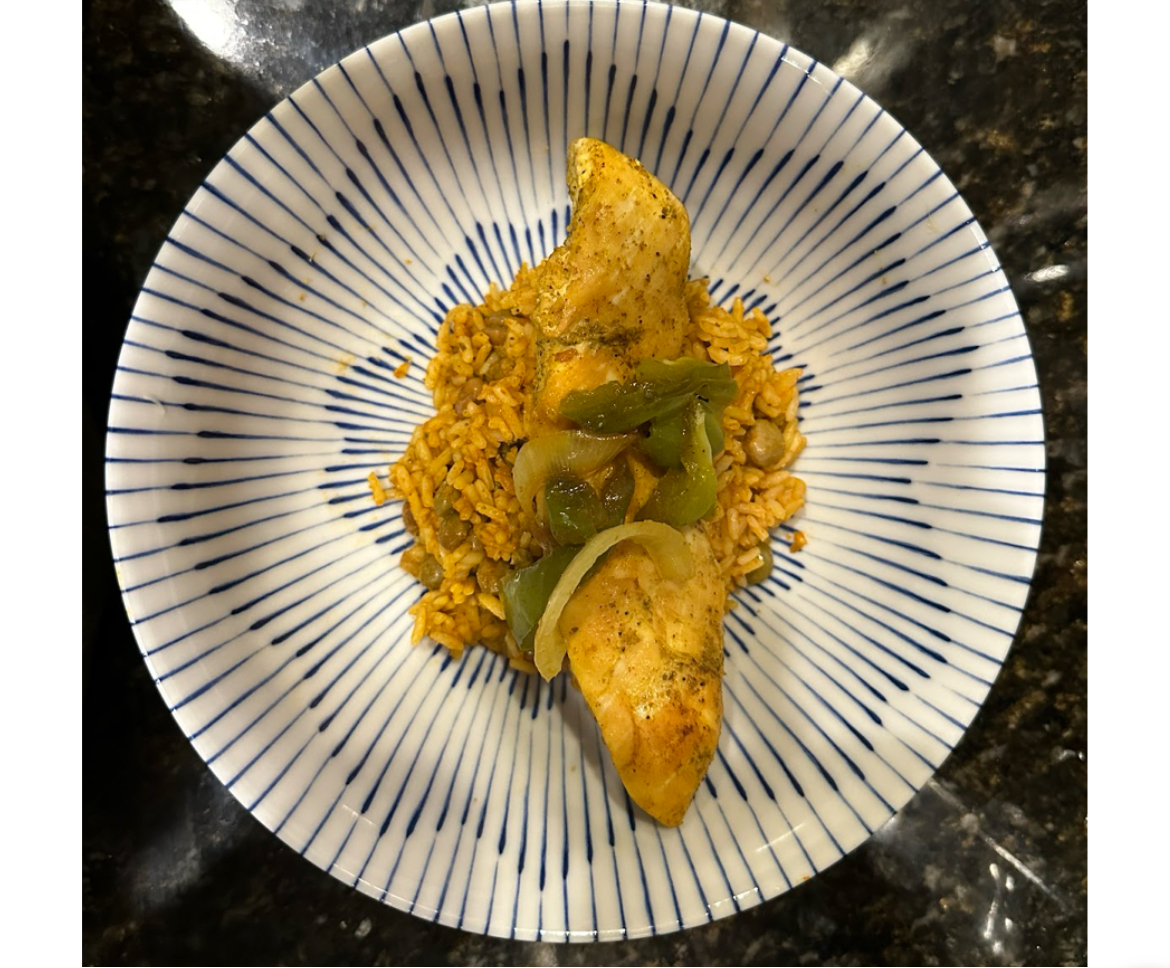
Pernil y Arroz con Gandules, roast pork with rice and pigeon peas. This is Puerto Rico’s national dish and the main event for every major celebration. If a table has this, it means it’s a holiday. Pernil is a pork shoulder seasoned heavily with a mix of garlic, salt, oregano, and vinegar, called adobo. It can marinate for days, then be put at a slow-roast until the meat is tender. The goal is to get the skin, or cuero, hard and crisp. Arroz con Gandules is rice cooked with gandules (pigeon peas), pork, and sofrito. Annatto oil is added, which gives the rice its traditional yellow color and flavor. Jeremy Vargas helped his mother prepare this dish who stated it’s often made around the Christmas season which in Puerto Rico lasts longer than in other places. When Puerto Ricans serve this, they are sharing their identity and heritage.
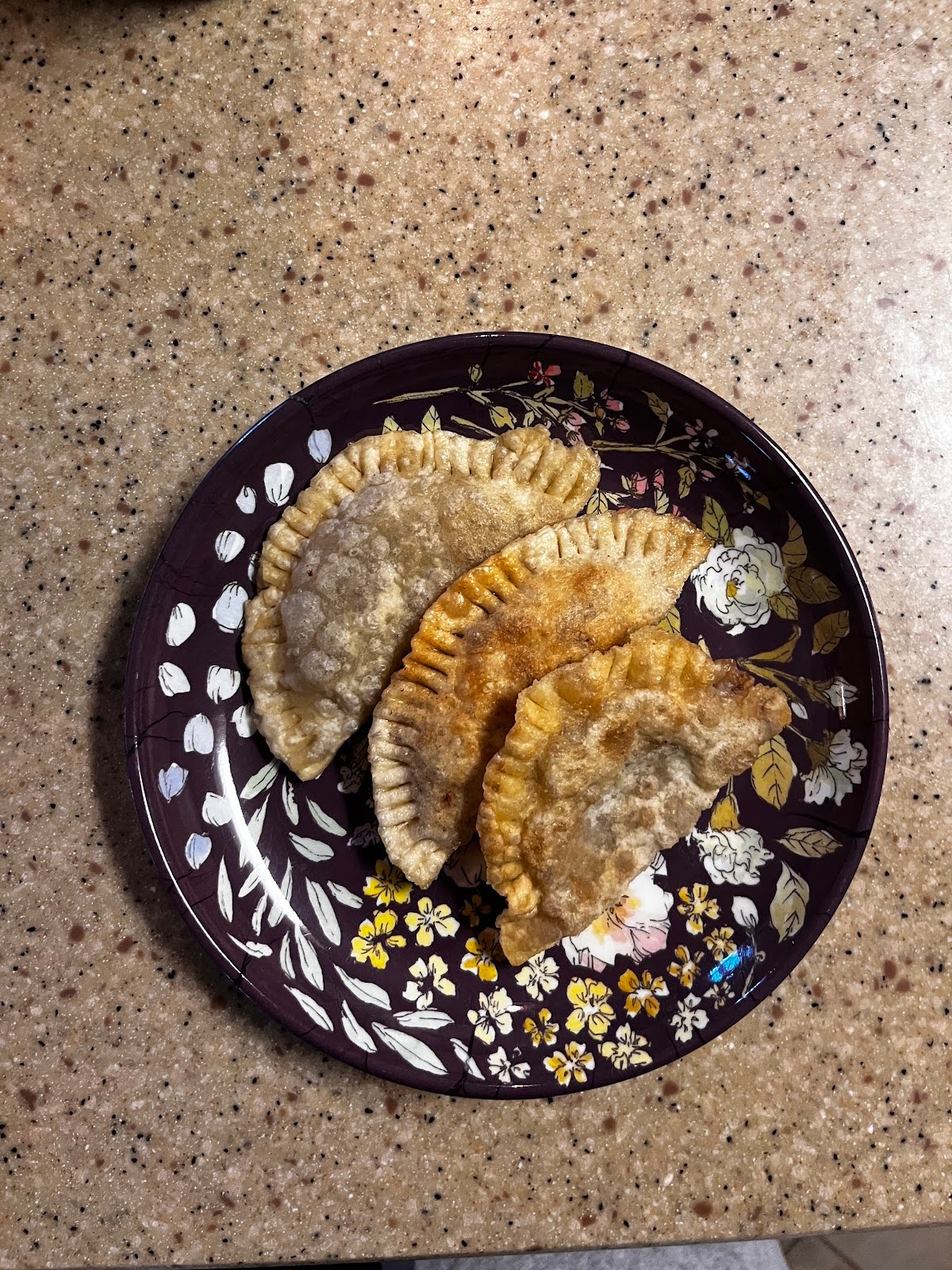
Khuushuur is a crescent-shaped pocket of dough, traditionally filled with minced mutton or beef, onions, and simple seasonings, then deep-fried until golden and crispy. Khongorzul Orkhontur, an exchange student here for the school year, from Mongolia explained that its minimal ingredients and preparation reflect Mongolia’s nomadic heritage. Historically, food needed to be hearty, portable, and practical, and khuushuur checks off every one of those. Made from only three ingredients, flower, water, some form of meat, unless you would want to add other ingredients to liven up the taste. Including spices, onions and garlic. Zula explained it’s often a dish that’s made with community, so I offered to help, I would help roll out the dough and shape it into a circle while Zula would shape the meat into it and then deep fry it, giving me an immersive experience. “My mom would make this throughout childhood until she taught me.” Zula explained
(Khuushuur is a crescent-shaped pocket of dough, traditionally filled with minced mutton or beef, onions, made by Khongorzul Orkhontur)
Food makes my day better.
Leave a Reply